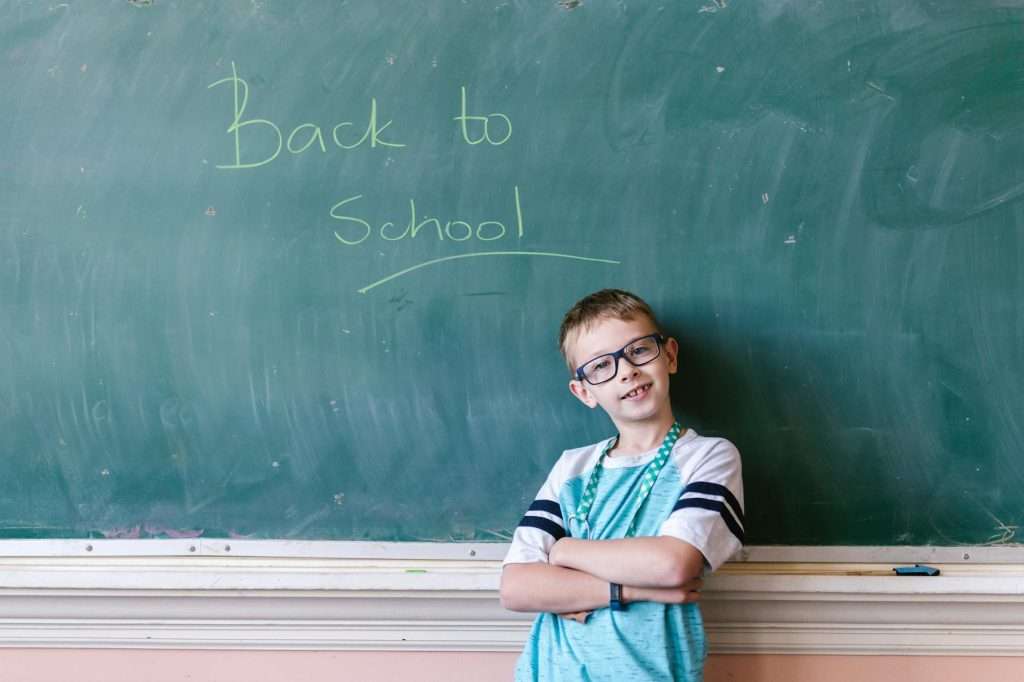
Transitioning from primary to secondary school is a significant milestone for any child, filled with both excitement and anxiety. As a parent, your support during this period can make all the difference. This guide will provide you with practical advice on how to help your child navigate this change, focusing on both emotional well-being and academic readiness.
Understanding the Emotional Impact
The move to secondary school is not just about changing classrooms; it’s a major life event for your child. They’re likely to feel a mix of emotions, from excitement about new opportunities to anxiety about the unknown. Here’s how you can help:
- Open Communication: Encourage your child to express their feelings about the transition. Be a good listener, and reassure them that it’s normal to feel a bit nervous.
- Visit the New School: If possible, take your child to visit their new school before the term starts. Familiarity with the school environment, including classrooms, corridors, and even the cafeteria, can help reduce anxiety.
- Build Confidence: Highlight your child’s strengths and remind them of past successes. Confidence will help them face new challenges head-on.
- Encourage Independence: Start encouraging your child to take more responsibility, whether it’s organizing their school bag, planning their homework schedule, or getting to and from school independently. This will help them adjust to the greater level of autonomy required in secondary school.
Academic Preparation
While emotional readiness is crucial, academic preparation is equally important. Here’s how you can support your child academically:
- Establish a Routine: Secondary school often comes with a more demanding schedule. Help your child establish a study routine that balances schoolwork, extracurricular activities, and relaxation.
- Support with Homework: The workload in secondary school is usually heavier. Create a conducive environment for homework and be available to help with more challenging subjects. However, encourage your child to attempt tasks independently before stepping in.
- Enhance Study Skills: Introduce effective study techniques such as mind mapping, summarization, and regular review sessions. These skills will be invaluable as your child progresses through secondary school.
- Stay Engaged with the School: Attend parent-teacher meetings and stay informed about your child’s progress. Understanding the school’s expectations will enable you to provide the right support at home.
Social Considerations
Secondary school is also a time when friendships and social dynamics become increasingly important:
- Discuss Social Expectations: Talk to your child about the social changes they might encounter, such as making new friends or dealing with peer pressure. Reinforce the importance of kindness, inclusivity, and standing up for themselves.
- Encourage Extracurricular Activities: Encourage your child to join clubs or sports teams. These activities can help them make new friends and develop a sense of belonging in their new school environment.
- Monitor Social Media Use: With increased social interaction often comes increased use of social media. Keep an eye on their online activities to ensure they are safe and not overwhelmed by the pressures of digital life.
Final Thoughts
Transitioning to secondary school is a significant change, but with your support, your child can navigate it successfully. By focusing on both their emotional and academic needs, you’ll help them start this new chapter with confidence and enthusiasm. Remember, every child adjusts at their own pace, so be patient and offer ongoing encouragement.
With these strategies, you can help make the transition smoother and more positive for your child.
What to Read Next:
- Preparing for the First Day of Secondary School: What Parents Need to Know
- The Importance of Extracurricular Activities in School Success
- How to Manage School Anxiety in Children