No products in the cart.
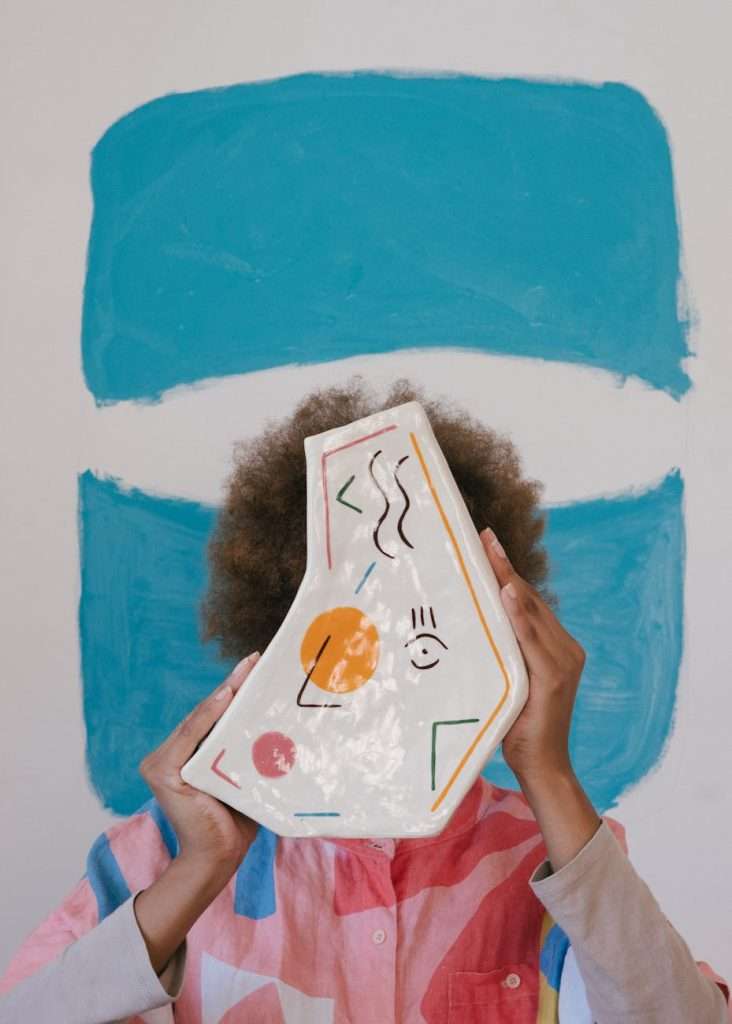
In the digital age, where screens dominate much of children’s attention, the role of creative arts in child development and learning remains irreplaceable. From drawing and painting to music and theater, creative arts are vital in nurturing various developmental skills in children. This blog explores the profound impact of creative arts on a child’s cognitive, emotional, and social growth, providing compelling reasons for parents and educators to prioritize artistic activities in their daily routines.
Engaging in creative arts helps children develop essential cognitive skills. When a child paints, draws, or sculpts, they engage multiple senses, enhancing their sensory perception and fine motor skills. For instance, holding a paintbrush or molding clay improves hand-eye coordination and dexterity. Moreover, creative activities stimulate the brain’s right hemisphere, associated with imagination and creativity, fostering innovative thinking and problem-solving abilities.
Music, in particular, has been shown to improve mathematical and spatial-temporal skills. Learning to play an instrument involves understanding rhythm, melody, and harmony, which can enhance a child’s mathematical abilities and pattern recognition. Additionally, the process of memorizing musical pieces strengthens memory and concentration, critical skills for academic success.
Creative arts offer children a safe outlet to express their emotions and thoughts, often more comfortably than through words. Whether through drawing, dance, or drama, children can explore their inner worlds and communicate their feelings. This form of expression is particularly beneficial for children who may struggle with verbal communication.
Engaging in creative arts also helps children develop emotional intelligence. By exploring different characters, emotions, and narratives in activities like drama or storytelling, children learn to empathize with others’ perspectives and feelings. This ability to understand and manage emotions is crucial for forming healthy relationships and navigating social situations.
Participating in group art projects, theater productions, or music ensembles teaches children the value of teamwork and collaboration. These activities require children to share ideas, listen to others, and work towards a common goal. Such experiences are invaluable in helping children develop social skills, such as communication, negotiation, and conflict resolution.
Furthermore, creative arts can boost self-confidence and self-esteem. Performing in front of an audience, whether in a play or a music recital, helps children overcome stage fright and develop public speaking skills. The positive feedback and applause they receive can significantly boost their confidence and encourage them to take on new challenges.
Incorporating creative arts into a child’s daily life is more than just a fun activity; it is a critical component of holistic development. The cognitive, emotional, and social benefits of engaging in creative arts are well-documented and far-reaching. Parents and educators should actively encourage children to explore various artistic disciplines, providing them with the tools and opportunities to express themselves and grow.
In conclusion, the creative arts play a crucial role in child development and learning, offering a rich tapestry of experiences that contribute to a well-rounded education. By fostering creativity and artistic expression, we empower children to become innovative thinkers, compassionate individuals, and confident communicators—skills that will serve them well throughout their lives.
© 2025. The content on this website is owned by us and our licensors. Do not copy any content (including images) without our consent.
Always happy to help