
No products in the cart.
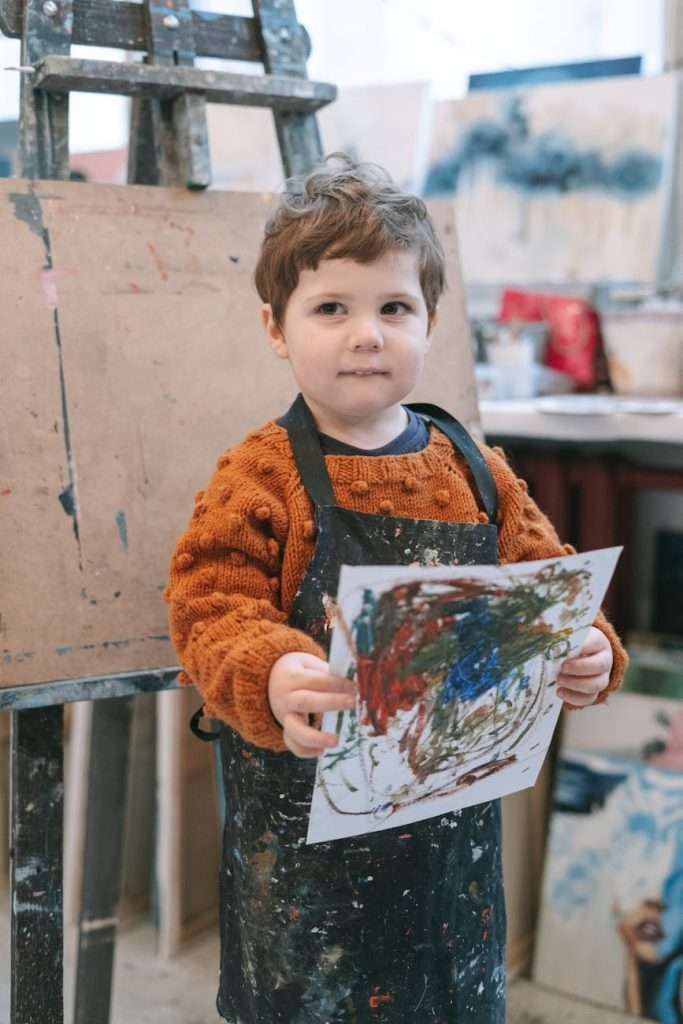
Starting primary school is a major milestone in your child’s life, and as a parent, you play a crucial role in ensuring they are ready for this new adventure. Whether your child is transitioning from nursery or has been at home, this guide offers practical advice on how to prepare your child emotionally, socially, and academically, ensuring a smooth transition into primary school.
Talk About School: Begin by having positive conversations about school. Discuss what they can expect, from meeting new friends to learning new things. This helps build excitement rather than fear.
Visit the School: If possible, arrange a visit to the school before the first day. Familiarity with the school environment, such as classrooms and playgrounds, can significantly reduce first-day jitters.
Read Together: Reading books about starting school can help your child understand what to expect. Stories that depict children having positive school experiences can be particularly reassuring.
Encourage Independence: Teach your child basic self-care skills such as dressing themselves, toileting, and packing their school bag. Independence in these areas boosts confidence.
Practice Social Interactions: Organize playdates or attend group activities where your child can practice sharing, taking turns, and following instructions—key skills for school life.
Teach Problem-Solving: Help your child develop problem-solving skills by guiding them through scenarios they might encounter at school, such as what to do if they feel upset or how to make new friends.
Early Literacy and Numeracy: Introduce your child to basic literacy and numeracy skills. This can be as simple as reading together daily, practicing counting, or recognizing letters and numbers in everyday situations.
Develop a Routine: Establish a daily routine that includes time for structured activities, such as reading or drawing, alongside free play. A consistent routine helps children adjust to the structured environment of school.
Encourage Curiosity: Foster a love for learning by encouraging your child’s natural curiosity. Answer their questions and explore topics that interest them. This not only prepares them academically but also instills a positive attitude toward learning.
Label Everything: Ensure all your child’s belongings are labeled, from uniforms to lunch boxes. This reduces the likelihood of lost items and helps your child identify their belongings.
Plan the Journey: Practice the journey to school a few times before the first day. Whether walking, driving, or using public transport, familiarity with the route can ease first-day nerves.
Stay Calm and Positive: On the first day, try to stay calm and positive. Children often pick up on their parents’ emotions, so your calm demeanor will help them feel secure.
Children transitioning from nursery are often better prepared for primary school due to their experience in structured environments, social interactions, and early learning activities. However, children who have been at home can also be well-prepared with some extra focus on developing these skills. By following the tips above, you can ensure that all children, regardless of their previous environment, feel confident and ready for primary school.
Starting primary school is an exciting chapter in your child’s life. By focusing on their emotional, social, and academic readiness, you can help ensure they begin this journey with confidence and enthusiasm. Remember, every child adjusts at their own pace, so offer plenty of support and encouragement along the way.
© 2025. The content on this website is owned by us and our licensors. Do not copy any content (including images) without our consent.
Always happy to help